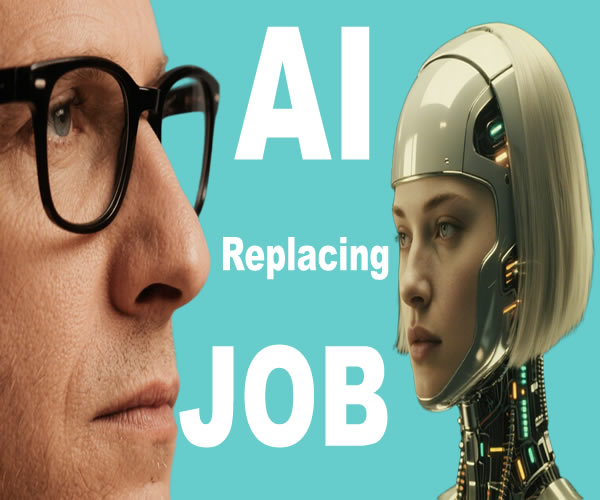
The artificial intelligence and robotics industry has emerged as a key driver of the latest technological revolution. Nie Pengju, Chairman of Keli Motor Group, submitted two proposals centered on artificial intelligence development. First, accelerate the integration of artificial intelligence and the robotics industry; second, strengthen the protection of user information security in AI applications.

In his view, China must strive for technological leadership through “software-hardware coordination” while upholding a firm security baseline, systematically building long-term competitive advantages for the country in global technological competition.
The deep integration of AI and robotics is transforming robots from single‑purpose automated devices into new productive force systems equipped with environmental perception, autonomous decision‑making, and efficient execution capabilities. This evolution has spawned cutting-edge intelligent entities, most notably humanoid robots.
Through field research, Nie Pengju identified several bottlenecks hindering deeper integration: a disconnect between AI software and precision hardware such as robot actuators and sensors; a shortage of high-quality, standardized multi-modal scene data; and a lack of interdisciplinary talent.
To smooth the path from technological breakthroughs to industrial applications, he proposed launching a national “software-hardware coordination” R&D initiative. Relevant government agencies should lead the establishment of an AI-Robotics Integration Innovation Consortium. Special programs under the national key R&D plan should support research into high-dynamic environmental perception and decision-making large models, high-precision motion control algorithms, and high-power-density actuators. Shared technical validation platforms should also be built in industrial clusters to lower costs for enterprises in technology integration and performance testing.
To tackle data scarcity, Nie suggested launching a national “digital-physical symbiosis” program. Under government guidance, an open, secure, and standardized multi-modal dataset combining real-world and simulated data could be developed, paired with incentives to encourage data contribution and sharing.
For industrial ecosystem development, he recommended setting up national AI-robotics integration demonstration zones in the Yangtze River Delta, the Guangdong-Hong Kong-Macao Greater Bay Area, and other key regions.
An industrial integration fund should be established to guide social capital toward high-quality projects. Meanwhile, universities should be supported in launching interdisciplinary programs such as intelligent robotics, and companies hiring top talent for the integrated sector should receive policy support.
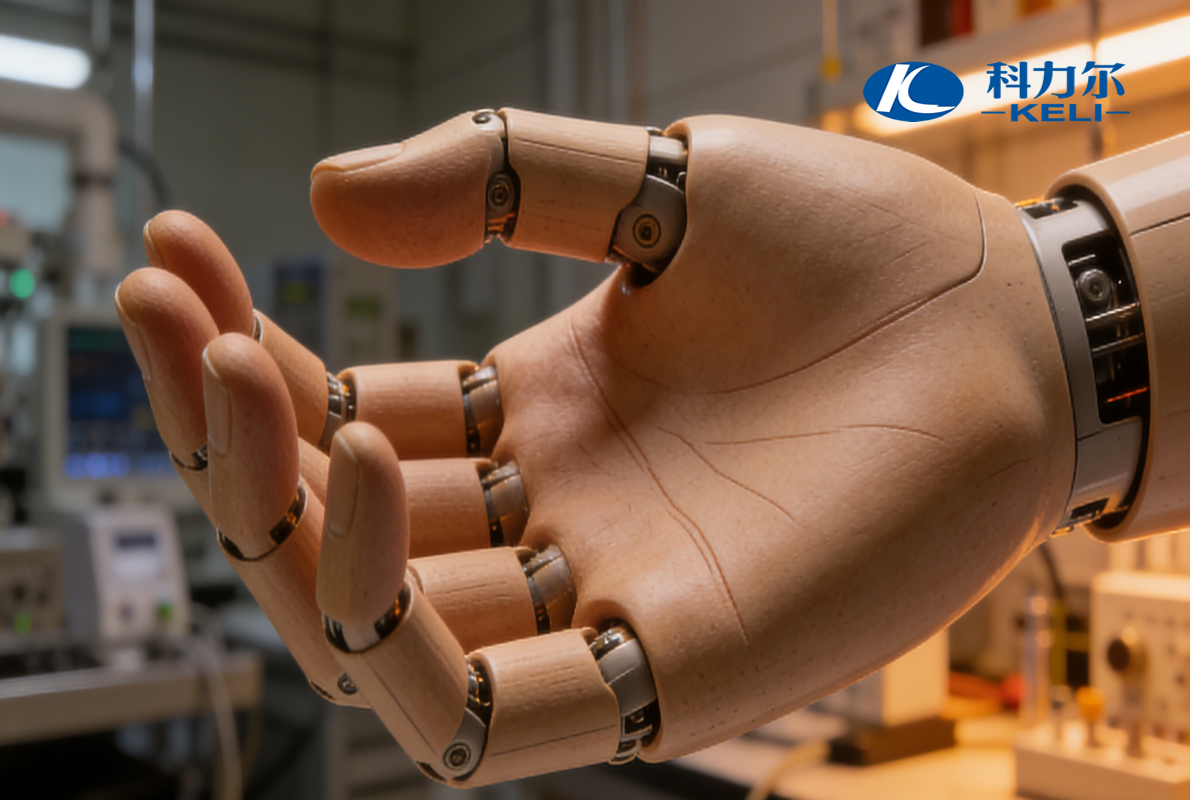
While AI powers industrial upgrading, it also presents new risks to user information security. Especially in interactive scenarios, generative AI relies on massive user data for training and processing, creating growing tensions between its data‑dependent nature and personal information protection.
“A collaborative governance framework must be established that balances user information security and the healthy development of technology,” Nie stated. He proposed that relevant authorities develop dedicated guidelines for AI data security and personal information protection. Companies should be required to embed data security and privacy safeguards into the entire product lifecycle, with clear limits on data collection and rules for processing sensitive information in high-frequency interaction scenarios.
On technical support, he called for the coordinated development of a national AI security testing and verification platform and a high-quality training data repository. The former will address emerging threats such as adversarial attacks and data poisoning. The latter will focus on building industry datasets with strict de-identification and clear copyrights, reducing compliance risks at the source.
For regulatory innovation, Nie suggested differentiated and tiered supervision of AI services, along with pilot regulatory programs for key technologies including privacy-enhancing computing. Fault-tolerant mechanisms tailored to innovation should be explored, ensuring that the regulatory system evolves in step with technological progress.


All Rights By Glebors Media © 2026